AI in HR: Where It Helps Today and Where It Doesn’t
AI is genuinely useful in screening assistance, scheduling, and draft communications — and genuinely risky in final judgments. A practical map of the line between the two.
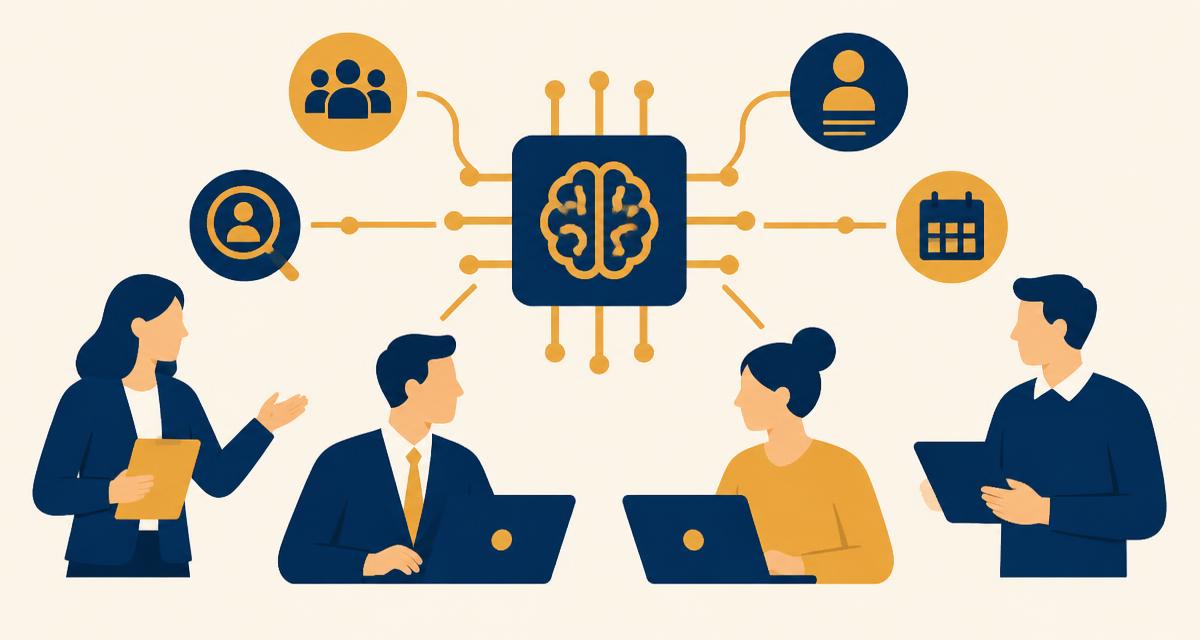
AI in HR is stuck between two failure modes: teams that avoid it entirely and lose hours every week, and teams that delegate judgment to it and inherit its blind spots. The useful question isn’t whether to use AI — it’s where in the process it earns its place.
Where AI Genuinely Helps Today
- First-pass screening assistance — surfacing candidates who match stated criteria, with a human reviewing everything it flags and everything it hides.
- Scheduling and coordination — the single most uncontroversial win.
- Drafting job descriptions and outreach messages — as a first draft, never a final one.
- Summarizing interview notes and exit interviews into themes.
Where It Doesn’t (Yet)
Final hiring decisions, performance ratings, and dismissals concentrate exactly the risks AI is worst at: historical bias in training data, inability to weigh context, and no accountability. Most emerging regulation lands here too.
A Simple Adoption Rule
- 1Pick one high-volume, low-judgment task (scheduling is the classic).
- 2Measure the hours saved for one month.
- 3Expand one task at a time, always keeping the decision point human.
Teams that adopt this way build trust in the tooling — and can explain exactly why they use it, which is increasingly what candidates, auditors, and regulators ask.