Google Ads vs Meta Ads: Which One Does Your Business Need?
One captures demand, the other creates it. A practical comparison of Google Ads and Meta Ads — and how to decide where your budget belongs.

The Google vs Meta question is usually asked as if one must win. In practice they do different jobs, and choosing between them starts with understanding which job your business needs done.
The Core Difference: Capture vs Create
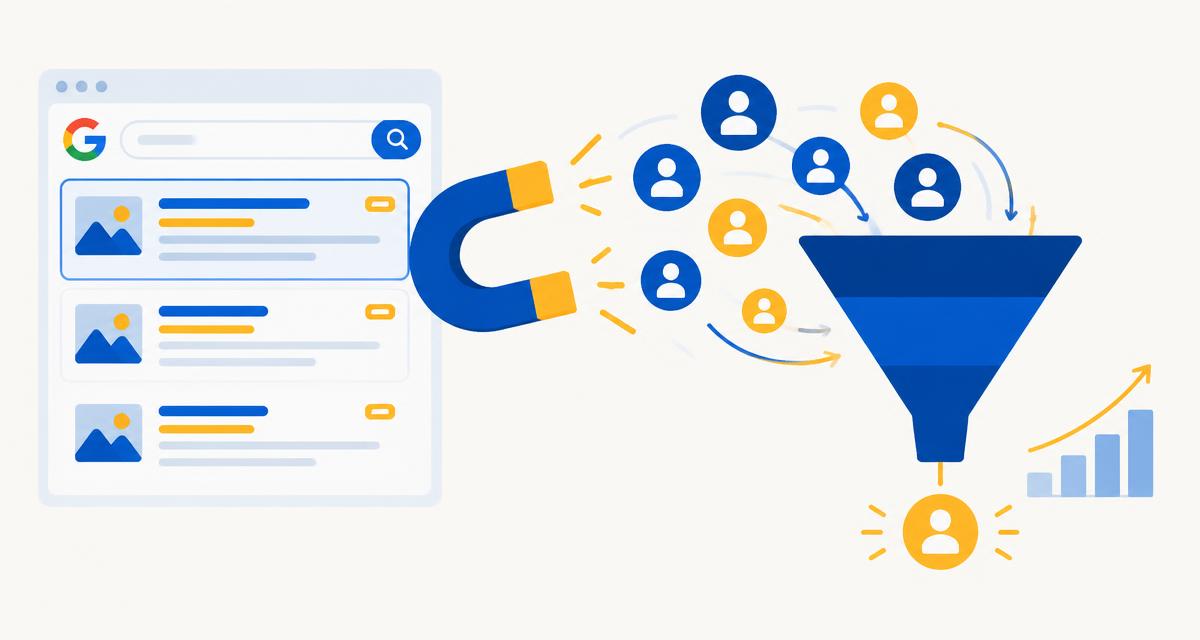
Google Ads captures demand — someone types a problem into a search bar and your ad answers it. Meta Ads creates demand — your ad finds people who fit your customer profile while they are doing something else, and gives them a reason to care.
When Google Ads Wins
- People already search for what you sell — services, solutions, comparisons.
- You need leads or sales quickly and can pay for high-intent clicks.
- Your offer has a clear, searchable need behind it.
When Meta Ads Wins
- Your product is visual or impulse-friendly, or people don’t know to search for it yet.
- You need to build awareness and demand at scale, not just harvest existing intent.
- Your targeting depends on who the customer is, not what they type.
Cost Dynamics Differ
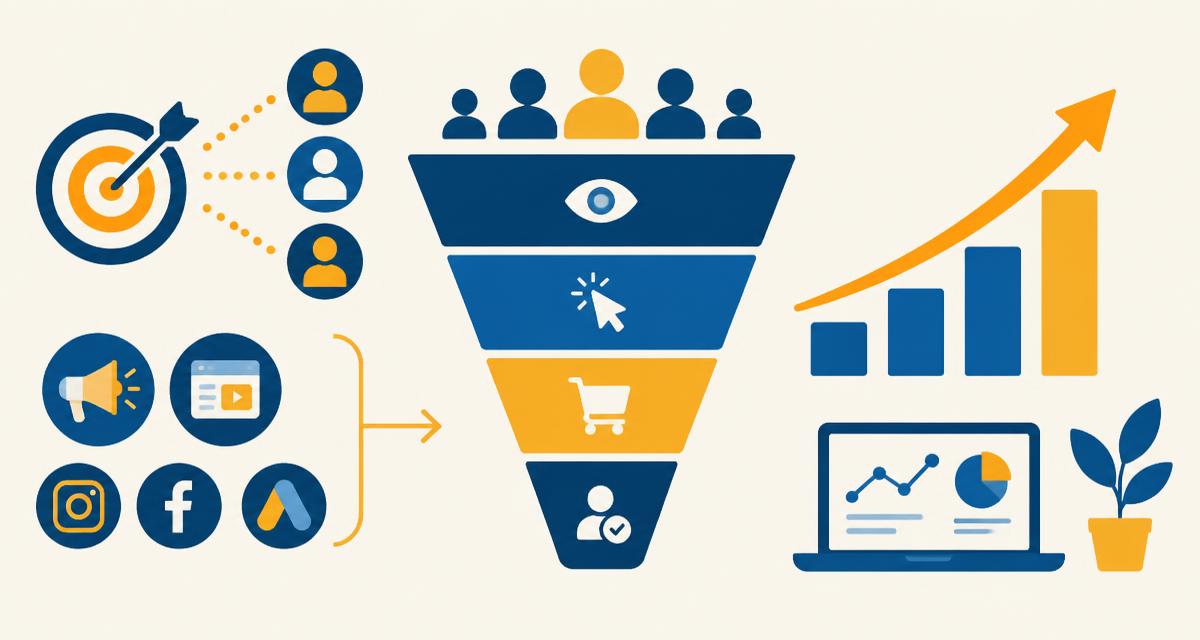
Search clicks often cost more but convert at higher rates because intent is explicit. Social clicks are usually cheaper but need stronger creative and follow-up to convert. Judge each channel on cost per outcome, never cost per click.
The Practical Answer for Most Businesses
Start where intent already exists (Google) if budget is tight and you need proof fast. Add Meta when you have creative capacity and want to grow beyond the ceiling of existing search volume. Then let each channel’s cost per lead or sale — not opinion — decide the split.
Related reading: