Meta Ads Lead Generation: Creating Demand, Not Just Capturing It
Nobody wakes up searching for most products — they discover them in a feed. How to build Meta campaigns that turn scrolling into qualified leads.

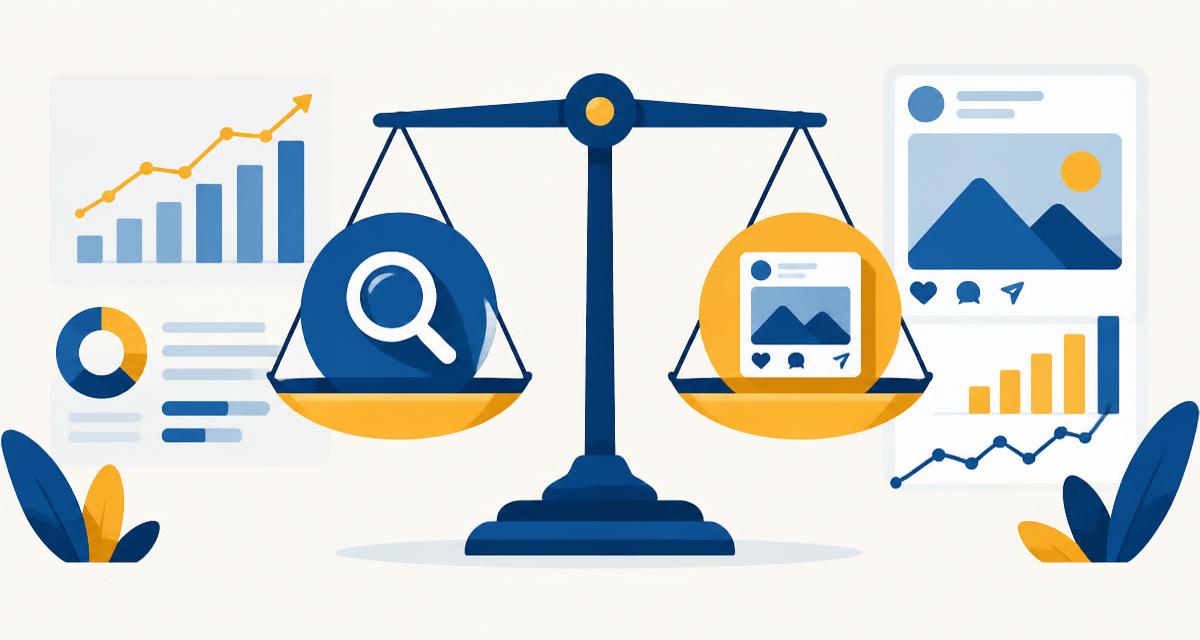
Google captures demand that already exists. Meta creates it. That difference shapes everything about how lead generation works on Facebook and Instagram — the targeting, the creative, and especially the lead form.
Target the Person, Not the Keyword
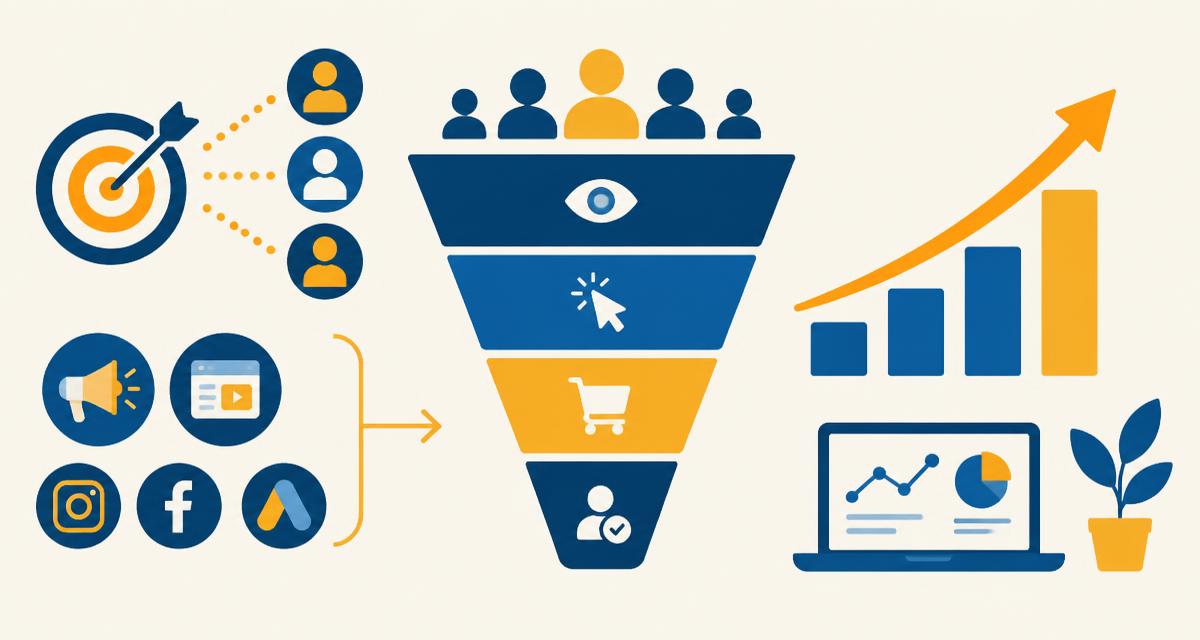
Without search queries to guide you, audience definition does the heavy lifting. Build from your best customers: their demographics, interests, and behaviors. Then let lookalike audiences scale what works.
Creative Is the Targeting Now
As Meta’s targeting has broadened, the ad itself has become the filter. A hook that speaks to a specific problem attracts the right people and repels the wrong ones — before you spend on a click.
- Lead with the problem or outcome, not the brand.
- Use formats native to the feed — polished corporate ads underperform authentic-looking creative.
- Test hooks systematically: same body, different first three seconds or headline.
Design Lead Forms for Quality
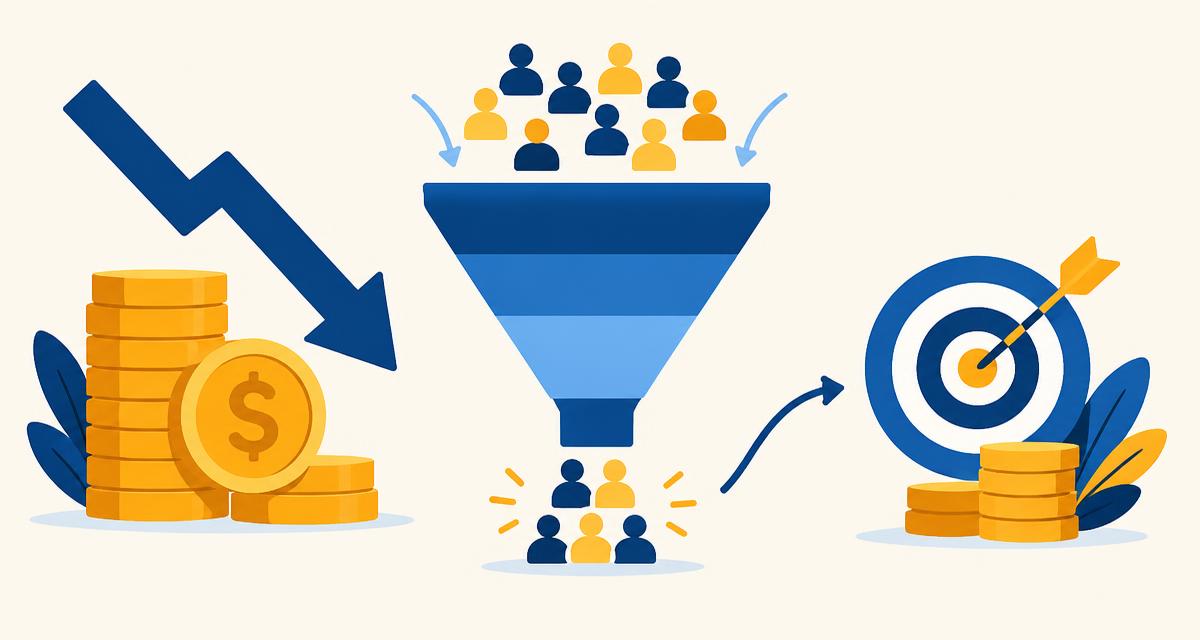
Instant forms convert well because they are frictionless — which is also their danger. Add one qualifying question. A slightly higher cost per lead with double the qualification rate is a trade worth making.
Feed the Algorithm Real Signals
Verify your pixel and conversion events before scaling. Meta optimizes toward whatever event you tell it matters; if that event is misconfigured, the algorithm will find more of the wrong people with great confidence.
Related reading: